Policy
We develop analysis and policy proposals that examine nuclear energy policy from young people’s perspective.
Focus Research, analysis and policy development
Join


TYGN is being built to bring together students and young professionals interested in nuclear energy through open resources, online meet-ups and working groups.

We want to make technical knowledge easier to access, prepare bilingual resources and create an open starting point for young people from different disciplines.
Our work in the nuclear field focuses on policy, EU projects, technical and social projects, and entrepreneurship.
We develop analysis and policy proposals that examine nuclear energy policy from young people’s perspective.
We develop project ideas for European Union programmes and models for international cooperation.
We create research, design and implementation ideas focused on nuclear science and technology.
We develop ideas that support public awareness and youth participation in nuclear energy.
We are building an environment that supports innovative ideas and young ventures in the nuclear sector.
Conversations on climate, the closed fuel cycle and responsible technology.

Membership is free. It is open to anyone curious about nuclear science — from high-school and university students to young professionals.
Membership is free. Submitting the form sends your application securely to our official email address.
The questions we get most, before you apply. If you cannot find your answer, write to us.
Yes. You do not need to study a nuclear-related subject to apply. We are building a community open to questions from students and young professionals across disciplines.
You can. Our planned online introductory meet-ups will also be open to beginners. If an event requires an age limit, we will state it clearly in its announcement.
Membership is free. If a future event involves travel or accommodation costs, these will be stated clearly in the announcement.
The application asks how much time you can contribute, but this is not a commitment. You can choose activities and working groups according to your schedule.
We are planning the first meet-ups online. Cities for in-person events will be announced as local participation and partnerships become clear.
Yes — this is what we need most. Tick the “City representation” box on the application form and our team will get in touch to walk you through how to start.
When you submit the form, your email application opens for delivery to tygnuclear@gmail.com. The team reviews it and contacts you through the same email address.
There is. Our aim is not to repeat a single position, but to build a discussion space where claims can be examined through sources and questions are welcome.
We will share dates and programme details here and on our social channels once they are confirmed.

An open meet-up for young people curious about nuclear energy, introducing core concepts, TYGN and its working groups.
Date and programme coming soon
A conversation about career paths from engineering to communications, entering the sector and students' questions.
Date and programme coming soon
A small-group session to discuss a selected paper, technical concepts, current developments and different perspectives.
Date and programme coming soonWe are shaping the first community programme around applicants' interests. Their choices will help determine the initial working groups and meet-ups.

When publishing a technical claim, we aim to identify its source clearly and correct it when necessary.
We value discussing questions openly and listening to different perspectives rather than requiring agreement on nuclear energy.
We do not present planned work as completed; dates, partners and outcomes are updated when confirmed.
Explore the fundamentals of nuclear technology step by step through our interactive features.
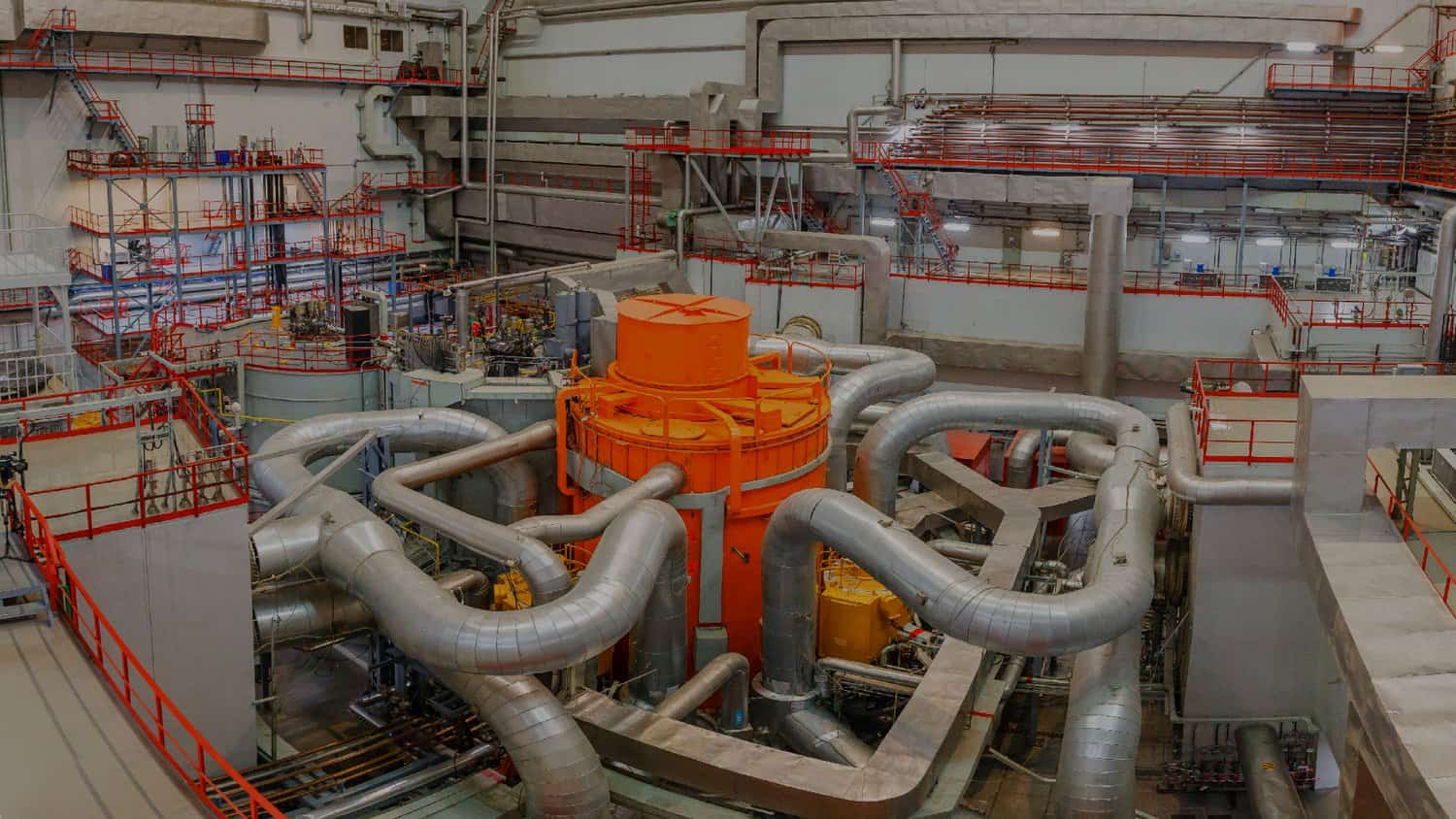
From ore to electricity: the working principle of a nuclear power plant, explained step by step with animations.
Read →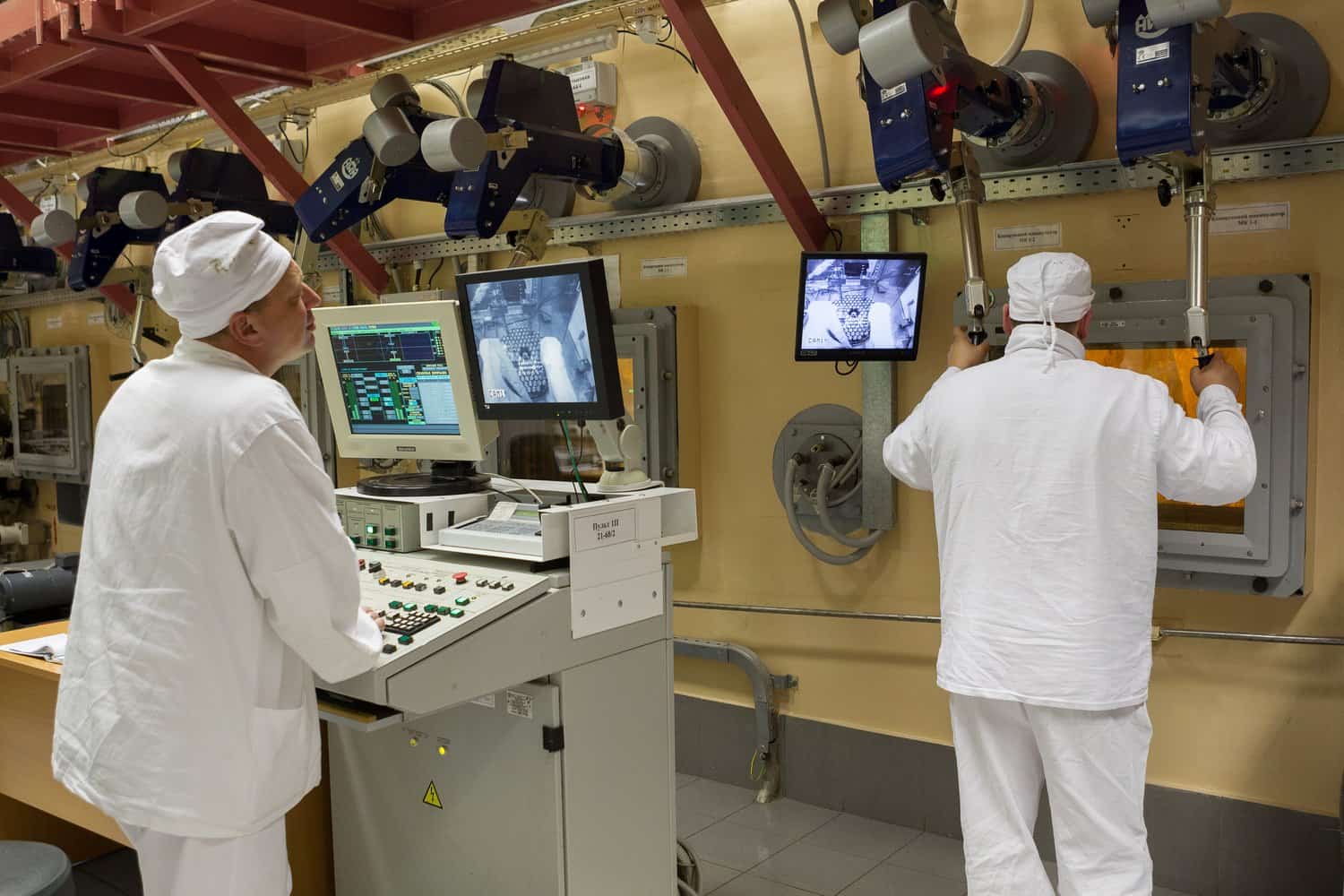
Why is used fuel a resource rather than waste? We examine the closed fuel cycle in seven steps.
Read →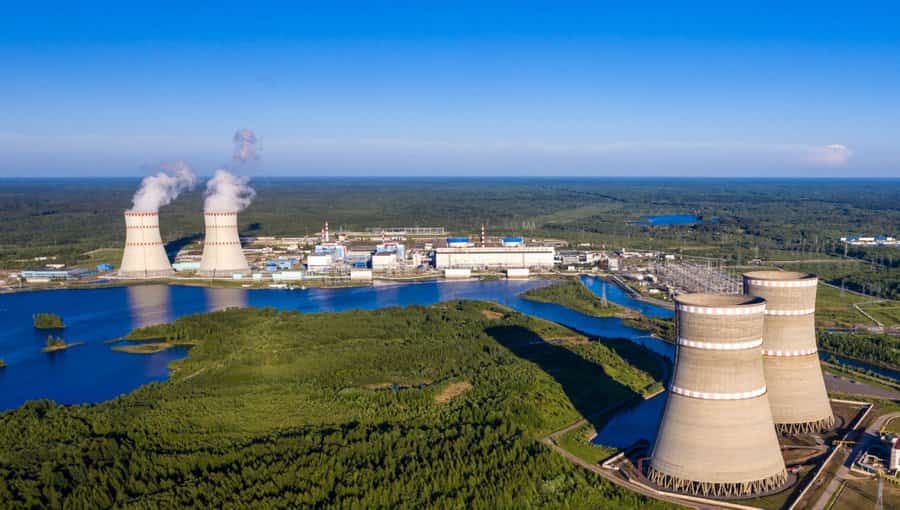
A comparative view through indicators such as carbon intensity, land use and capacity factor.
Notify me when published →